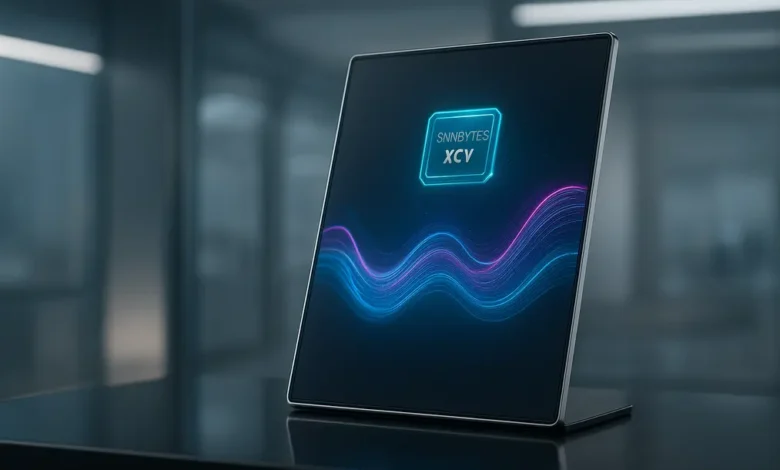
Introduction: What Are SNNBytes XCV Panels?
If you’ve been paying attention to the latest buzz in display and tech innovation, you’ve probably heard the name SNNBytes XCV Panels floating around. At first glance, it might sound like another niche product in the overcrowded tech space. But the reality is quite the opposite — these panels are fast becoming the next major leap in display systems, data visualization, and adaptive interface design.
At its core, SNNBytes XCV Panels represent a hybrid technology combining smart neural networking (SNN) frameworks with cross-visual (XCV) panel engineering. This fusion allows these panels to “learn” from user interactions and adjust themselves dynamically, providing a highly optimized, immersive experience. In simpler terms, think of a screen that doesn’t just display — it understands what you want to see and how you want to see it.
Over the past few years, many tech companies have experimented with intelligent displays, but SNNBytes seems to have cracked the code on practicality and performance. The XCV Panels are not just visually stunning but also functionally superior. Whether used in consumer electronics, industrial dashboards, or creative environments, they bring a level of responsiveness and clarity that stands out.
The Technology Behind SNNBytes XCV Panels
Understanding what makes SNNBytes XCV Panels revolutionary requires a peek behind the curtain. The key lies in two major components: neural-adaptive processing and cross-visual data mapping. Together, they redefine how a digital panel operates.
The neural-adaptive layer in the SNNBytes ecosystem is powered by a proprietary chip that learns user behavior. For instance, if a designer prefers a specific color balance or brightness level, the panel automatically adjusts to that setting over time. This kind of “learning” capability mimics the functionality of neural networks used in artificial intelligence, but with a focus on visual optimization rather than data computation.
The cross-visual (XCV) part refers to the ability of the panel to handle multiple data types and visual modes simultaneously. Traditional panels operate in fixed refresh rates and color spectrums. XCV technology, however, dynamically modulates pixel output to match content — meaning a video, a 3D model, and a live data chart can coexist on the same display without performance dips or color distortion. That’s something previously considered nearly impossible for conventional OLED or LCD systems.
Why SNNBytes XCV Panels Are Gaining So Much Attention
The popularity of SNNBytes XCV Panels didn’t just happen overnight. In a world where attention spans are shrinking and visuals dominate communication, people crave clarity, speed, and intelligence in their devices. The XCV Panels deliver all three.
One of the primary reasons for their rising fame is adaptive rendering. This feature ensures that no matter what kind of content you throw at it — games, cinematic visuals, or code — the panel automatically fine-tunes performance to offer the best balance between brightness, contrast, and refresh rate. It’s like having a personal assistant inside your display, constantly optimizing it for peak output.
Another reason is their eco-efficiency. Unlike traditional displays that draw constant power even when static, SNNBytes’ XCV Panels intelligently manage energy consumption. When no motion or change is detected in a region of the display, it enters a micro-sleep mode that reduces power draw by up to 30%. This not only makes them more environmentally friendly but also extends the lifespan of the panels significantly.
Lastly, their durability and visual sharpness make them ideal for both professional and consumer-grade applications. Whether installed in a corporate environment or used as part of a gaming setup, these panels offer crisp resolution, wide color range, and virtually zero lag — something even premium brands are struggling to achieve consistently.
Applications of SNNBytes XCV Panels Across Industries
The versatility of SNNBytes XCV Panels is one of their strongest selling points. Unlike standard panels that serve limited purposes, these can adapt to various industries — from entertainment to engineering.
In the gaming and entertainment sector, these panels bring visuals to life in a way that feels almost tactile. Gamers have reported significantly reduced screen tearing and ultra-responsive frame rates. Combined with dynamic color adjustment, the experience becomes far more immersive, especially for virtual reality or augmented reality setups.
In industrial and corporate settings, XCV Panels act as advanced visualization tools. Data scientists and engineers can visualize complex datasets in real time with adaptive contrast that adjusts automatically depending on the type of information being displayed. For example, heat maps, live analytics, or even IoT system dashboards become clearer and easier to read.
The creative industry is another major benefactor. Artists, video editors, and designers value color fidelity above everything else — and the SNNBytes XCV Panels deliver it perfectly. Thanks to their neural color calibration feature, the panels maintain consistent color grading across devices, ensuring the same tone appears on every unit without manual correction.
How SNNBytes XCV Panels Differ from Conventional Displays
The market is flooded with display types — from OLEDs to MicroLEDs and everything in between. So, what makes SNNBytes XCV Panels stand out? The answer lies in intelligence and adaptability.
While OLED panels excel at brightness and contrast, and MicroLEDs at efficiency, neither can match the real-time adaptability of XCV technology. The SNNBytes system doesn’t rely on static configurations. Instead, it continuously monitors ambient lighting, user preferences, and on-screen content to adjust parameters in milliseconds. This results in a more natural and comfortable viewing experience.
Furthermore, unlike traditional panels that require frequent calibration, the SNNBytes XCV Panels perform self-calibration using machine-learning algorithms. This eliminates the hassle of manual setup and guarantees consistent visual quality over years of usage. It’s the kind of innovation that feels subtle but has an enormous impact on daily usability.
Lastly, the integration of AI-driven diagnostics ensures that any degradation or anomaly within the panel is detected early. The system can even predict when certain pixel clusters are likely to fail, allowing preventive maintenance. That’s the sort of forward-thinking engineering that’s propelling SNNBytes ahead of its competitors.
Challenges and the Road Ahead
No new technology is without its challenges, and SNNBytes XCV Panels are no exception. While their performance is undeniably impressive, mass adoption faces a few hurdles — particularly around cost and compatibility.
Currently, the production of XCV Panels requires specialized manufacturing processes that differ from traditional panel fabrication. This means that scaling production could take time, which may initially drive up prices. However, industry experts predict that as demand increases, economies of scale will kick in, making the panels more affordable for mainstream consumers.
Another potential challenge is integration with existing hardware ecosystems. Since these panels use intelligent drivers and learning algorithms, older systems might not fully support their adaptive capabilities. SNNBytes is reportedly working on universal firmware updates and cross-platform APIs to solve this issue, which will make the panels plug-and-play with most modern devices.
Despite these challenges, the future looks bright. Analysts forecast that within the next few years, SNNBytes could redefine how the world perceives display technology — from passive screens to interactive, intelligent surfaces.
Conclusion: Why SNNBytes XCV Panels Are Worth Watching
In the ever-evolving tech landscape, innovations often come and go, but SNNBytes XCV Panels seem poised to stay. They represent a perfect blend of intelligence, aesthetics, and efficiency — three things that define the next generation of smart display systems.
Their ability to learn, adapt, and optimize makes them stand out in an era where personalization is key. Whether you’re a gamer, designer, or business professional, the way these panels enhance your visual experience is truly next-level. As production scales and compatibility expands, it wouldn’t be surprising to see XCV Panels become the new standard across industries.
The name SNNBytes XCV Panels might sound futuristic today, but give it a couple of years — it’ll likely be as commonplace as OLED once was. One thing is certain: the display world will never look the same again.