
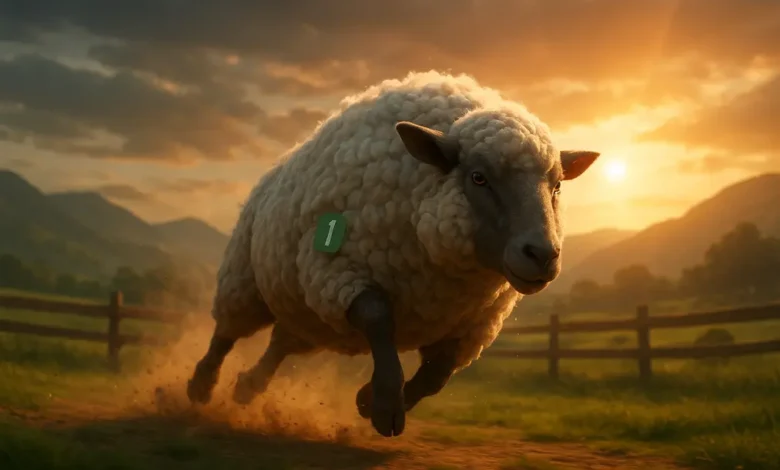
If you’ve spent any time wandering through the wild pastures of GitHub, you’ve probably stumbled across some truly fascinating indie projects. One such gem is Crazy Cattle 3D, a quirky and surprisingly fun farming simulation game that’s been gaining attention in open-source communities. This isn’t your typical farm sim — it’s a blend of humor, chaos, and realistic 3D mechanics that make it a standout project for both gamers and developers.
In this article, we’ll explore what makes Crazy Cattle 3D GitHub such an intriguing project. We’ll dive into how it works, its development journey, the community’s involvement, and how you can even contribute or play it yourself. Whether you’re a coder, gamer, or just someone curious about the creative corners of GitHub, this deep dive is for you.
1. What Is Crazy Cattle 3D?
At its core, Crazy Cattle 3D is a 3D simulation game centered around managing — or perhaps surviving — a herd of wild cattle. The concept sounds simple: you run a farm, raise cows, and keep things under control. But as the name suggests, these aren’t your ordinary cattle. They have personalities, unpredictable movements, and a habit of turning your farm into a full-blown rodeo.
The game is developed using modern 3D engines like Unity or Unreal (depending on the branch you explore on GitHub), with realistic physics that make the cattle’s behavior hilariously chaotic. Picture cows toppling fences, chasing tractors, or even launching into the air due to physics glitches — all in good fun. The charm of the game lies in its absurdity.
On the GitHub page, the project description often emphasizes learning and collaboration. The developer(s) encourage other programmers, artists, and enthusiasts to fork the repo, play around with the code, and make their own contributions. That open-source nature makes Crazy Cattle 3D GitHub not just a game — but also a sandbox for creativity and technical experimentation.
2. The Origins and Development Story
Like many open-source passion projects, Crazy Cattle 3D GitHub started small. It began as a fun experiment — a side project meant to test 3D environment rendering, AI behavior modeling, and basic physics simulation. The developer(s) behind it likely didn’t expect it to gain traction. However, the combination of humor, realism, and simplicity struck a chord with developers and casual gamers alike.
Over time, contributors began refining the codebase, adding features like:
- Cattle AI improvements: making cows react to sound, movement, and each other.
- Enhanced terrain systems: bringing realistic grass, mud, and environmental lighting.
- Multiplayer features: allowing users to manage farms together or compete for control of resources.
Because it’s hosted on GitHub, the development process is completely transparent. You can explore commits, view pull requests, and even trace how certain features evolved from a few lines of prototype code into full-blown systems. It’s a masterclass in open-source collaboration — a great study case for students and indie devs learning how real-world projects grow online.
Another interesting part of Crazy Cattle 3D GitHub history is its community engagement. Users frequently post issues, fixes, and mod ideas on the GitHub page. From cow jetpacks to alien abductions, some of the most bizarre and creative suggestions have actually made their way into builds. It’s a project that thrives on imagination.
3. Exploring the Game Mechanics
Now, let’s talk gameplay — the heart of Crazy Cattle 3D GitHub. On the surface, it’s a 3D farm simulator. You control a farmer, manage your land, and take care of your cattle. But instead of being a calm and peaceful experience, it leans heavily into physics-based humor.
a. The Cattle AI System
Each cow in Crazy Cattle 3D GitHub has its own AI-driven “mood” — it might be calm, playful, or downright rebellious. If you neglect them, they’ll start breaking fences, escaping, or knocking over equipment. The AI logic is surprisingly detailed, relying on pathfinding algorithms, object detection, and interaction triggers. This makes every playthrough unpredictable.
b. The Environment and Physics
One of the reasons the game stands out is its realistic physics engine. When cows run, their weight affects the terrain. When they collide, objects respond dynamically. You might see a feeding trough tumble down a hill or a fence fly apart if too many cows crash into it. These moments create hilarious chaos that feels organic, not scripted.
c. The Fun Factor
Beyond the technical side, what makes Crazy Cattle 3D GitHub so appealing is its pure entertainment value. It’s a game that doesn’t take itself too seriously. It’s full of Easter eggs, references, and silly events that keep players laughing. It’s not about winning — it’s about enjoying the mayhem.
4. Crazy Cattle 3D GitHub: A Developer’s Playground
For developers, the GitHub repository of Crazy Cattle 3D is a goldmine of learning opportunities. It’s open-source, so anyone can clone the project and explore the codebase. You’ll find scripts for movement mechanics, asset management, and AI systems — all written in clean, modular code.
The project structure often includes:
- Assets folder: containing 3D models, textures, and sound effects.
- Scripts folder: with C# or C++ files for behavior, physics, and UI.
- Scenes folder: for different environments (e.g., farm, field, barn).
For new developers, exploring this repo is like a hands-on tutorial in game development. You can experiment with parameters, adjust cow speed or gravity, and immediately see the results.
The maintainers also encourage forks and pull requests. Want to add weather systems, vehicles, or even cowboy NPCs? Go ahead. The collaborative nature of GitHub allows everyone to leave their mark on the project. It’s a prime example of how gaming and open-source culture can intersect beautifully.
5. Why It’s Gaining Popularity
It’s no secret that Crazy Cattle 3D GitHub has been making waves across Reddit, itch.io forums, and even TikTok clips showing hilarious in-game moments. But why exactly has this project gained such traction?
a. Humor and Chaos Appeal
People love games that deliver spontaneous fun. Crazy Cattle 3D GitHub embraces chaos, making every session unique. The unexpected physics and silly cow behaviors keep players coming back for more.
b. Community and Openness
Unlike commercial games locked behind licenses, Crazy Cattle 3D GitHub thrives on openness. Anyone can contribute, remix, or modify it. This fosters a loyal community of creators who share mods, tools, and updates freely.
c. Educational Value
Game development students and hobbyists often use Crazy Cattle 3D GitHub as a reference project. Its code structure demonstrates principles of object-oriented programming, real-time rendering, and AI behavior systems in an approachable way.
The blend of fun and functionality makes it an ideal showcase of what’s possible with open-source gaming projects.
6. How to Access and Contribute on GitHub
If you’re eager to explore Crazy Cattle 3D GitHub, it’s easy to get started. Simply search for the repository on GitHub (the name may vary slightly depending on forks or versions). Once you find it, you can:
- Clone or fork the repository using Git.
- Open it in Unity or Unreal Engine (depending on the engine version).
- Build and run the project locally to experience it firsthand.
For contributors, the maintainers typically outline contribution guidelines in a README.md file. It covers code style, testing instructions, and how to submit pull requests. This ensures smooth collaboration and keeps the project stable.
If you’re not a developer, you can still get involved. Reporting bugs, suggesting ideas, or sharing gameplay clips helps the community grow. Every little contribution counts in open-source culture.
7. The Future of Crazy Cattle 3D GitHub
The beauty of projects like Crazy Cattle 3D is that they’re never truly finished. The GitHub repo continues to evolve with community input. Future plans include improved graphics, better AI pathfinding, multiplayer support, and mod compatibility.
Some contributors are even experimenting with VR integration — imagine standing in a virtual pasture while cows stampede around you. Others are proposing farming expansions, mini-games, and storyline modes. The possibilities are endless.
As long as the community stays active, Crazy Cattle 3D GitHub will keep growing, evolving from a funny experiment into a full-fledged indie sensation. It’s a testament to how open-source creativity can rival — and sometimes surpass — traditional commercial projects.
Final Thoughts
In a world full of polished, corporate-driven games, Crazy Cattle 3D GitHub is a refreshing reminder of what grassroots creativity looks like. It’s wild, funny, imperfect, and full of heart. Whether you’re here to code, contribute, or just laugh at runaway cows, this project offers something for everyone.
More than just a game, it’s a living, breathing (and mooing) example of how community-driven projects can bring people together through shared curiosity and humor. So, if you haven’t already, head over to GitHub and check it out. Who knows? You might just find yourself wrangling some digital cows in your next coding adventure.


